Marshmallow
Althaea officinalis
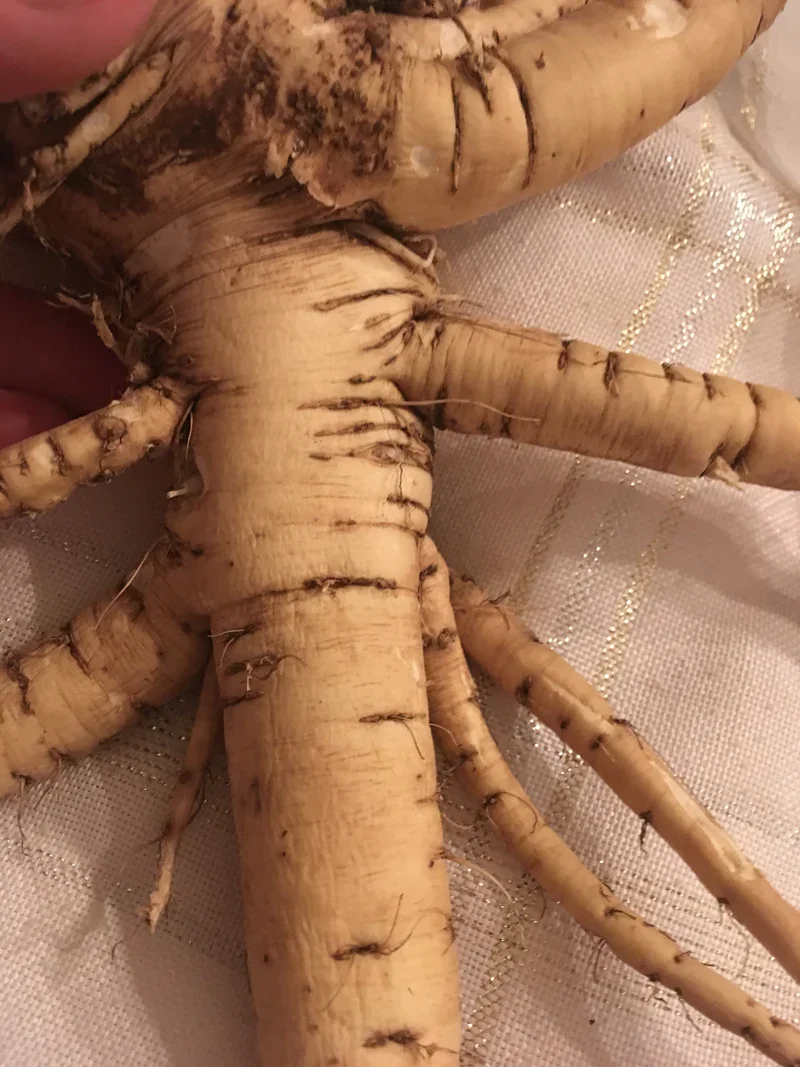
Latin Name: Althaea officinalis
Common Name: Wymote, Cheeses, Schloss Tea, Mortification Root, Guimauve (French)
Family: Malvaceae
Contraindications: Avoid in cold, damp conditions; may interfere with medication absorption if taken simultaneously
Native To: Europe, Western Asia, and North Africa. Now naturalized in Eastern North America
Botanical Description:
Habitat: Grows in salt marshes, damp meadows across Europe, Western Asia, and naturalized in Eastern North America
Parts Used: Primarily root; also leaves, flowers, seeds
Key Constituents:
Root: Mucilage (18-35%), pectin, starch, asparagine, oils, and sugars
Leaves: Contains mucilage, flavonoids (e.g., kaempferol, quercetin), polyphenolic acids (e.g., caffeic acid, salicylic acid)
Herbal Actions:
Taste: Salty, sweet
Energetics: Neutral to cooling, very moistening
Some Ways To Work With This Plant:
Soothe Dry Cough and Calm Sore Throat — Marshmallow root's high mucilage content provides a demulcent action that coats and soothes irritated mucosal membranes in the respiratory tract. This helps alleviate dryness, irritation, and inflammation associated with sore throats and dry coughs. Its mild analgesic effect can also ease throat discomfort. For best results, a cold infusion of marshmallow root or a thick gruel of powdered root can be sipped slowly to coat the throat.
Ease Respiratory Congestion — Marshmallow acts as a moistening expectorant, promoting the production and release of a thinner mucus, which helps to loosen and expel sticky or hardened mucus in the lungs. This is particularly effective for hot, dry respiratory conditions such as bronchitis or asthma. In cases of chronic congestion, pairing marshmallow with Licorice or Elecampane can further support respiratory function and reduce lingering cough.
Relieve Digestive Inflammation and Ulcers — Marshmallow's emollient and anti-inflammatory effects are well-suited for treating digestive tract irritation, such as gastritis, colitis, GERD, and stomach ulcers. Its soothing mucilage coats and protects the lining of the stomach and intestines, reducing inflammation and promoting tissue healing. Marshmallow is especially beneficial when used in a cold infusion, which preserves its mucilaginous properties. For ulcer support, marshmallow can be combined with Calendula and Chamomile in a tea or syrup to aid in mucosal repair and balance
Support Urinary Tract Health and Soothe Irritation — Marshmallow is effective in addressing urinary tract inflammation and irritation, such as cystitis and urethritis. The demulcent action of marshmallow root or leaf helps to coat and protect the urinary tract lining, while its mild diuretic effect encourages gentle cleansing of the bladder and kidneys. Cold infusions of marshmallow leaf are especially helpful here, and can be paired with Cornsilk or Couchgrass for additional urinary support
Heal and Moisturize Skin Wounds and Irritations — When applied topically, marshmallow acts as an emollient and vulnerary, softening and soothing skin tissues. Its slight astringency also helps with wound closure and healing, making it useful for treating dry skin, burns, abscesses, and ulcers. A poultice made from mashed marshmallow root or leaves, or a cream using marshmallow infusion as a base, can be applied directly to affected areas to speed healing and reduce inflammation
Relieve Constipation Caused by Dryness — Marshmallow root can help relieve constipation related to dryness in the digestive tract. Its mucilage moistens and lubricates the intestines, facilitating easier bowel movements. Marshmallow should be consumed as a cold infusion or in a powdered form mixed with water to maximize its demulcent properties. Avoid capsules for this purpose, as they may absorb moisture without delivering adequate lubrication
Soothe Leaky Gut and Food Sensitivities — Marshmallow’s mucilaginous and vulnerary actions are beneficial for individuals with leaky gut syndrome or food sensitivities. It helps seal micro-tears in the gut lining, reduces inflammation, and promotes the growth of beneficial gut flora by providing prebiotic polysaccharides. Marshmallow tea or a powder mixed with water is recommended for ongoing digestive support, and it can be combined with probiotics for microbiome health
Herbal Preparations:
Cold Infusion: 2tbs of dried root in 1 cup of cold water for 30 minutes. Take up to 3 times daily
References:
Popham, Sajah. Materia Medica Monthly, Issue #29: Marshmallow (Althea officinalis). The School of Evolutionary Herbalism, 2019.
Ellingwood, Finley. Ellingwood’s Therapeutist: Althaea (Marshmallow). 1922. Henriette’s Herbal Homepage, https://www.henriettes-herb.com/eclectic/ellingwood/althaea.html.
Moore, Michael. Medicinal Plants of the Desert and Canyon West. Museum of New Mexico Press, 1989.
Whelan, Richard. Marshmallow Root and Leaves: A Comprehensive Guide. Richard Whelan’s Herbal Medicine, 2006, https://www.richardwhelen.com/herbs/marshmallow-root-and-leaves.
Bergner, Paul. The Healing Power of Minerals, Special Nutrients, and Trace Elements. Prima Publishing, 1997.
The British Herbal Pharmacopoeia. British Herbal Medicine Association, 1983.
Mase, Guido. “Marshmallow: The Moisteners.” Herbalist & Alchemist Blog, 2012, https://www.herbalist-alchemist.com/blogs/
written by khadija khansia
This information is provided for educational purposes and is not intended to diagnose, treat, cure, or prevent any disease. Use with caution and consult with a doctor or herbalist before consuming if you are pregnant or on other medications. Please do your own research before consuming to know if this medicine is right for your body.