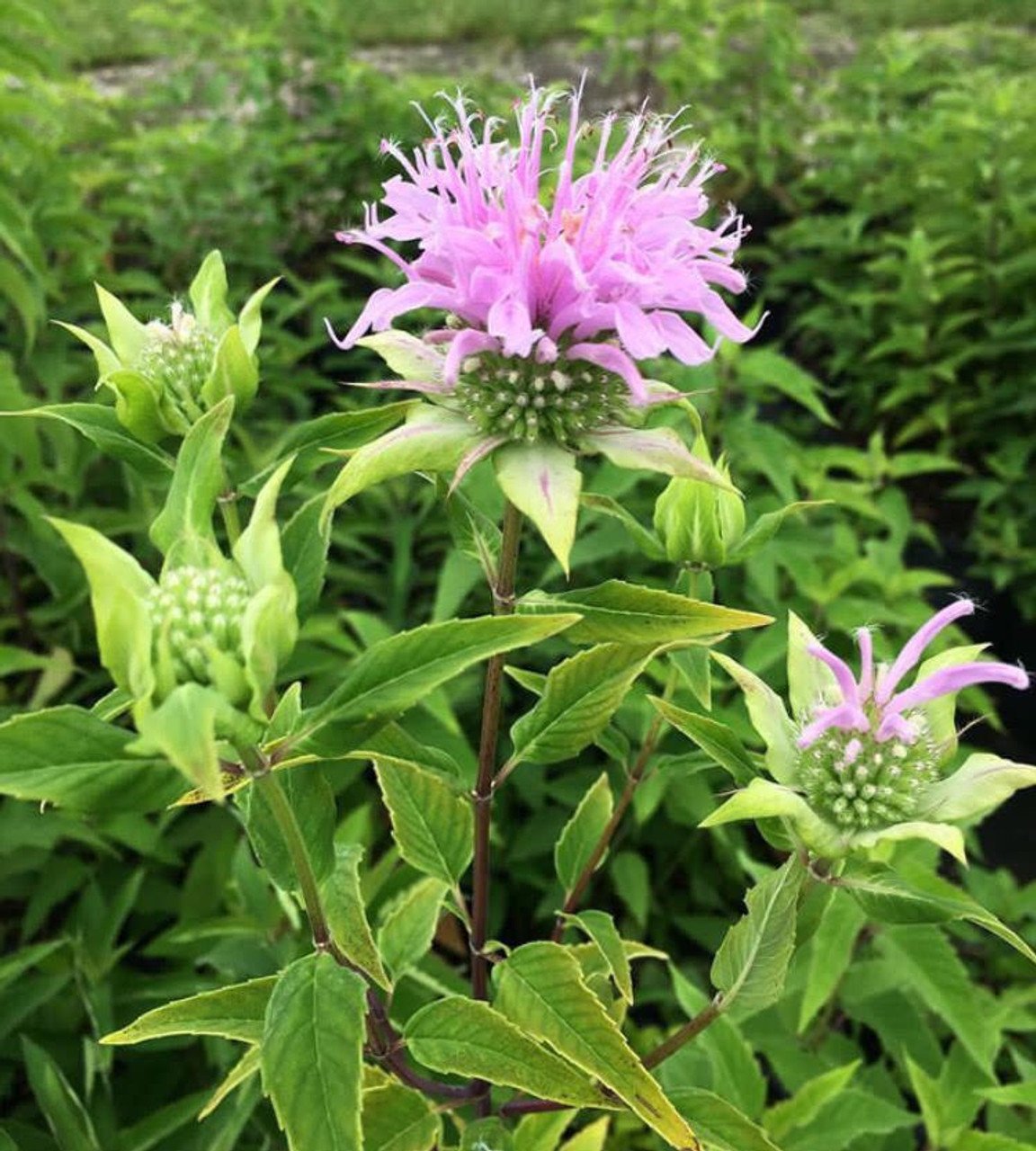
Bee Balm
Monarda fistulosa
Latin Name: Matricaria recutita
Common Name: Chamomile, German Chamomile, Manzanilla, Maythen
Family: Asteraceae
Contraindications:
Allergy to plants in the Asteraceae family (e.g., ragweed)
Caution when using with CNS depressants or anticoagulants (e.g., warfarin)
Avoid during pregnancy in high doses (emmenagogue action)
Native To:
Temperate Europe, Asia, and North Africa; now cultivated globally (Germany, Hungary, Egypt, etc.)
Botanical Description:
Annual herb growing 10–80 cm tall with feathery leaves and small white daisy-like flowers with yellow centers. Sweet, apple-like scent. Produces royal blue essential oil due to chamazulene content.
Habitat:
Thrives in well-drained, sunny soils. Often found in fields, gardens, and disturbed areas.
Parts Used:
Aerial parts (primarily flowers)
Key Constituents:
Volatile oils (chamazulene, α-bisabolol)
Flavonoids (apigenin, luteolin, quercetin)
Coumarins
Bitter principles
Sesquiterpenes
Polyacetylenes
Herbal Actions:
Nervine sedative
Bitter carminative
Spasmolytic
Relaxant diaphoretic
Emmenagogue
Inflammation modulator
Antimicrobial
Vulnerary
Taste: Sweet, bitter, aromatic
Energetics: Cooling, drying, relaxing
Some Ways To Work With This Plant:
Warming Antimicrobial: Bee Balm has this fiery, clearing presence that makes it amazing for tending infections—especially when things feel cold, stuck, or wet. Its essential oils (like thymol and carvacrol) help knock out bacteria, fungi, and even viruses, while bringing warmth and movement to tissues that feel sluggish or congested. You can drink it as tea when you’re catching something, make a steam to clear sinuses, or use it topically as a wash for wounds or athlete’s foot. It’s strong, but not harsh—it works with the body.
Digestive Fire-Stoker: This plant wakes up a tired gut. It brings circulation into the belly, settles gas and bloating, and supports digestion when things feel heavy or slow. It’s especially helpful if your digestive system shuts down when you’re stressed or sad. A warm cup before meals can really get things moving, especially if you’ve skipped a few meals or are feeling undernourished.
Mood + Circulation Support: Bee Balm moves the blood and the spirit. It’s an ally for when you’re feeling cold, dull, foggy, or shut down. It uplifts without being pushy—more of a nudge than a shove. You can feel the movement in your body: your cheeks flush, your heart softens, you feel a little more here. Good for cold hands and feet, low energy, or when you’ve been holding something in for too long.
Respiratory Ally: When your chest feels tight or your sinuses are full, Bee Balm helps open things up. It clears stuck phlegm, relaxes spasmy coughs, and brings warmth into the lungs. Steam is a great way to work with it here—inhale deep and feel things begin to loosen. If you're feeling cold, tired, and heavy during a cold, this plant can help move it out.
Menstrual + Womb Support: Bee Balm can support flow—physically and energetically. It’s helpful when your cycle is delayed, stuck, or you’re dealing with cold cramping pain. You can use it as tea, or even infuse it into oil for gentle belly massage. It pairs beautifully with other warming womb allies like ginger or yarrow.
Topical First Aid: Bee Balm is great for minor wounds, bug bites, or funky foot stuff. It’s a potent antimicrobial and wound healer—just make a strong tea (make sure to cool it down to touch!) and use it as a wash or compress, or infuse it into oil or salve. It cools heat and clears out stagnation, helping tissue regenerate cleanly.
Herbal Preparations:
Infusion (Tea): Use 1–2 tsp dried or 1 tbsp fresh herb per cup of hot water. Steep covered for 10–15 minutes. Good as a daily tonic or short-term remedy.
Tincture: Fresh (1:2, 95%), Dried (1:5, 60–70%). Dose: 10–30 drops.
Steam: Add a handful of dried flowers and leaves to a bowl of hot water. Cover your head with a towel and breathe in to open the sinuses and lungs.
Infused Oil or Salve: For topical use on wounds, bites, fungal infections, or sore muscles.
Oxymel: I like to use dried herbs when making oxymels because it captures more of their flavor and ends up tasting less like salad dressing. You can use fresh leaves as well. This oxymel will capture Bee Balm’s spicy flavor—infuse in a mix of apple cider vinegar and honey. You can also add it to your fire cider formula to give it extra spice! Uplifting and immune-supportive.
References:
Popham, Sajah. Materia Medica Monthly: Bee Balm (Monarda fistulosa). Evolutionary Herbalism, 2024.
Wood, Matthew. The Earthwise Herbal: A Complete Guide to New World Medicinal Plants. North Atlantic Books, 2009.
Winston, David. Herbal Therapeutics: Specific Indications for Herbs & Herbal Formulas. Herbal Therapeutics Research Library, 2004.
Moore, Michael. Medicinal Plants of the Pacific West. Museum of New Mexico Press, 1993.
de la Forêt, Rosalee. Alchemy of Herbs: Transform Everyday Ingredients into Foods and Remedies That Heal. Hay House, 2017.
David, Amanda. Rootwork Herbals – community herbalism school in Ithaca, NY.
McDonald, Jim.HerbCraft.org – Clinical and folk herbalist writings and lectures.
Rose, Karen. Spriritual Herbalism
Rose, Kiva. Medicine Woman’s Roots Blog.
written by khadija khansia
This information is provided for educational purposes and is not intended to diagnose, treat, cure, or prevent any disease. Use with caution and consult with a doctor or herbalist before consuming if you are pregnant or on other medications. Please do your own research before consuming to know if this medicine is right for your body.