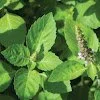
Ashwagandha
Withania somnifera

Latin Name: Withania somnifera
Common Name: Indian ginseng, Indian winter cherry, Ayurvedic ginseng, poison gooseberry
Family: Solanaceae
Contraindications: Ashwagandha may cause immune system to become more active. Avoid taking ashwagandha if you have auto-immune diseases. Do not use if pregnant. Use for up to 3 months and then take a break. Stop taking ashwagandha 2 weeks before surgery so it does not create compounding slow down effect on central nervous system. Ashwagandha may increase thyroid levels. Use with caution if you have a thyroid condition or take thyroid hormone medications.
Native To: India and Africa
Botanical Description: small shrub or herb grown as an annual in zones colder than 8 but in its native habitat it grows as a ground covering perennial.
Habitat: Enjoys sunny place with sandy and well drained soil, as it does not like wet feet. Grows in drier areas
Parts Used: Traditionally the roots, but the berries and leaves also have some medicinal value
Key Constituents:
Iron, antioxidants, tannins, potassium, and steroidal alkaloids (sominine, somniferine, withanolides, and anferine)
Herbal Actions: adaptogen, aphrodisiac, immuno-modulator, inflammation modulator, nervine trophorestorative
Taste: bitter, astringent, sweet
Energetics: Hot
Some Ways To Work With This Plant:
Perfect for person who is “burning the candle at both ends”, “wired but tired,” and has lots of “stuff to do”
Insomnia - Supports restful and rejuvenating sleep by helping regulate and re-establish long term sleep rhythms. Supports in breaking the cycle of exhaustion caused by insomnia. Ashwagandha does this by regulating daily cortisol levels. Often times when we wake up in the middle of the night and can’t go back to sleep, it’s because we have experienced a cortisol spike. By taking ashwagandha daily, greater balance is brought to cortisol secretion levels and night time spikes are less likely to occur.
Neurodegenerative Disease - Supports in rejuvenation of the brain, intellect, memory, and recall. Can be used to support folks with Alzheimers, Parkinson’s, Huntington’s by slowing, stoping, reversing and removing injured or diseased nerves.
Fatigue and Stress - Adaptogen
Reproductive Health - increases libido, sperm count, and sperm mobility
Core immunity and autoimmune conditions - best used for chronic disease rather than acute sickness.
Hypothyroidism - stimulates the thyroid
Herbal Preparations:
Ashwagandha Milk
Warm a glass of milk and add 1 teaspoon of Ashwagandha powder, 1 teaspoon of honey, and a pinch of cardamom. Stir well and enjoy before bedtime for a restful sleep. For more kick, add ginger and/or black pepper to drive the medicine of ashwagandha deeper into the body. Add nutmeg if you have a tendency to wake up at night because nutmeg has sleep inducing properties that are delayed.
Ashwaganda Chai
Boil 2 cups of water with 1 teaspoon of Ashwagandha powder, 1 teaspoon of tea leaves, and a pinch of ginger powder. Add 1 cup of milk and let it simmer for a few minutes. Strain and enjoy your rejuvenating chai.
References
written by khadija khansia
This information is provided for educational purposes and is not intended to diagnose, treat, cure, or prevent any disease. Use with caution and consult with a doctor or herbalist before consuming if you are pregnant or on other medications. Please do your own research before consuming to know if this medicine is right for your body.