Garlic
Allium sativum
Latin Name: Allium sativum
Common Name:
Family: Liliaceae
Contraindications: Avoid garlic in cases of hot, irritated digestive or respiratory conditions, such as ulcers or gastritis. Garlic can cause skin irritation and should not be applied directly for extended periods. High doses may interact with blood-thinning medications
Native To: native to Central Asia, specifically southwest Siberia, and now cultivated worldwide
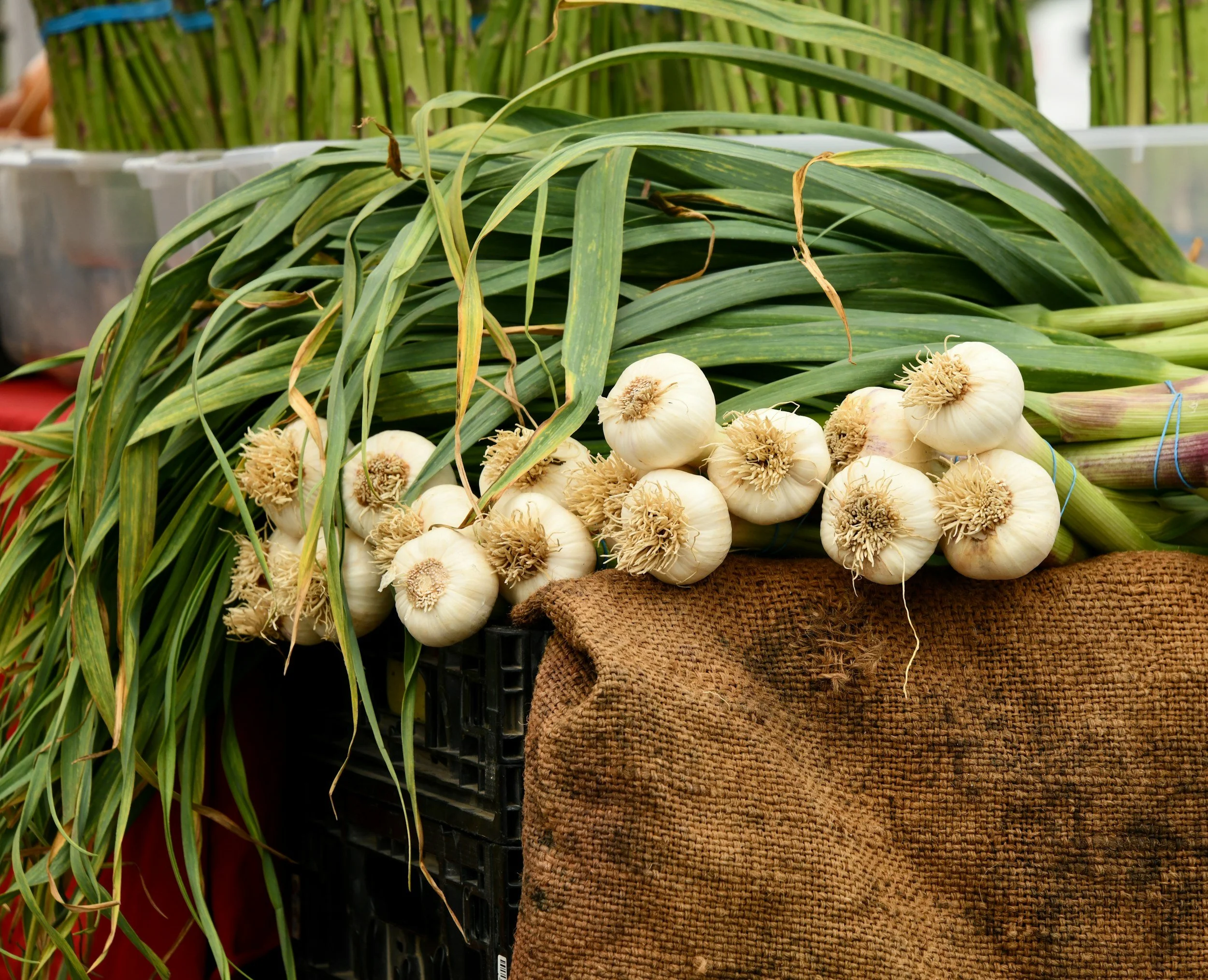
Botanical Description: Garlic is a perennial plant with flat, long, narrow leaves. Its underground bulb consists of multiple smaller bulbs or "cloves" clustered together, protected by a papery skin. The flowers are small, pinkish-white, and grow in clusters on a tall stalk. Garlic thrives in well-drained soil and full sunlight
Habitat: Garlic prefers growing in environments where it can receive full sunlight, with mild winters and cool springs being ideal conditions for growth. It is commonly found in agricultural fields, gardens, and can even adapt to various soil types, provided the soil isn’t too heavy or prone to waterlogging
Parts Used: cloves, scapes
Key Constituents:
Sulfur Compounds: Allicin, alliin, diallyl sulfide, and other sulfur compounds contribute to its potent antimicrobial, anticancer, and anti-inflammatory effects.
Nutrients: Rich in selenium, germanium, and a range of vitamins (A, B, C, E) and minerals like calcium and iron
Herbal Actions: antimicrobial, circulatory stimulant, expectorant, diaphoretic, hypotensive
Taste: pungent, slightly sweet when cooked
Energetics: hot, very stimulating, drying
Some Ways To Work With This Plant:
Support Cardiovascular Health — Garlic’s circulatory stimulant action helps lower blood pressure, cholesterol, and triglycerides. It acts as a mild blood thinner, making it helpful in reducing the risk of atherosclerosis, stroke, and heart attack. Consuming garlic regularly supports overall cardiovascular health by reducing inflammation, enhancing vascular elasticity, and improving blood flow
Combat Colds, Flus, and Respiratory Infections — Known as the “poor man’s penicillin,” garlic's antimicrobial properties are highly effective against colds and flu. As a diaphoretic, it promotes sweating and reduces fever. Its expectorant action helps expel thick mucus, making it ideal for damp, cold coughs. For best results, consume raw garlic or prepare a garlic-honey syrup during illness
Reduce Cold, Sluggish Digestion — Garlic stimulates digestive secretions, improving sluggish, cold digestion associated with constipation, bloating, and bacterial overgrowth. Its pungent heat warms the digestive organs, increases peristalsis, and supports gut flora balance. Adding fresh garlic to meals or using garlic-infused vinegar can aid in digestion and relieve symptoms
Clear Damp Respiratory Phlegm — Garlic thins and expels phlegm, particularly in cases of cold, damp coughs with dense, white mucus. Its stimulant expectorant action drives circulation to congested tissues, helping loosen mucus in the lungs. Garlic is especially beneficial when used in conjunction with other respiratory herbs like thyme and mullein
Prevent and Manage Infections — Garlic’s antibacterial, antiviral, and antifungal properties make it effective against various infections, including H. pylori, Giardia, and Candida. For topical infections, garlic oil or a poultice can be applied directly to the skin. Vaginal infections can be addressed with a garlic clove wrapped in gauze as a suppository, though this may cause irritation in some individuals
Support in Cancer Prevention — Rich in antioxidants, selenium, and sulfur compounds, garlic plays a role in preventing certain cancers. Studies suggest that regular garlic consumption can reduce the risk of gastrointestinal and breast cancers. For optimal effect, consume raw garlic daily, as cooking may reduce its anticancer properties
Herbal Preparations:
Raw Clove: 1–2 cloves daily for immune and cardiovascular support. Crush and let sit for 10 minutes to activate allicin before consuming.
Tincture: 1:2 ratio with 60-65% alcohol, 30-60 drops up to 3 times daily.
Garlic Oil: Apply 1-3 drops to the affected area for skin infections or in the ear for infections.
Garlic Honey: A traditional remedy combining raw garlic with honey, taken by the spoonful for cold and flu support.
Infused Vinegar: Combine garlic with apple cider vinegar (Four Thieves Vinegar) for a health tonic or culinary use.
References:
Cech, Richo, and Sena Cech. Making Plant Medicine. Herbal Reads, 2016.
Gladstar, Rosemary. Herbal Healing for Women: Simple Home Remedies for Women of All Ages. Atria Paperback, 2020.
Grieve, M. A Modern Herbal: Volume 1. Dover Publications, 1971.
Stansbury, Jill. Herbal Formularies for Health Professionals, Volume 2: Circulation and Respiration. Chelsea Green Publishing, 2018.
Tierra, Michael. Planetary Herbology: An Integrated System of Western Herbs into the Traditional Chinese and Ayurvedic Systems. Lotus Press, 1988.
Weed, Susan S. Breast Cancer? Breast Health!: The Wise Woman Way. Ash Tree Pub., 2020.
Winston, David. Herbal Therapeutics Research Library.
written by khadija khansia
This information is provided for educational purposes and is not intended to diagnose, treat, cure, or prevent any disease. Use with caution and consult with a doctor or herbalist before consuming if you are pregnant or on other medications. Please do your own research before consuming to know if this medicine is right for your body.