Mugwort
Artemisia vulgaris
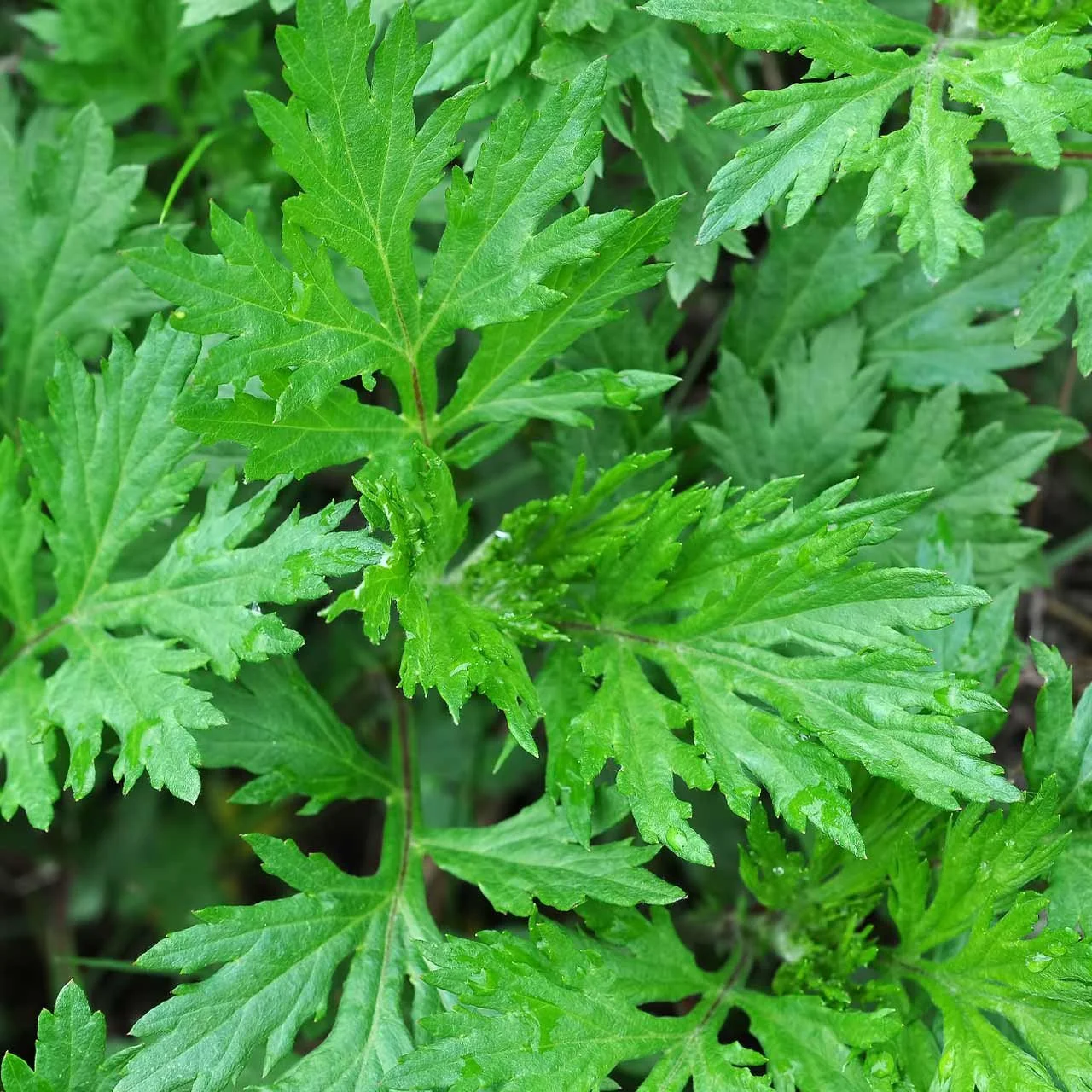
Latin Name: Artemisia vulgaris
Common Name: Mugwort
Family: Asteracea
Contraindications: Can be toxic with chronic use or in large doses. Contraindicated during pregnancy and lactation especially due to its emmenagogue effects which stimulate the uterus, and its drying effect which could halt lactation.Mugwort has also been known to cause a higher than average allergy response in those that are sensitive to other asteraceae family members due to its large sesquiterpene lactone content. Consult with doctor if on HRT and wanting to take mugwort internally.
Native To: Europe and Asia
Botanical Description: Annual herbaceous plant, woody rhizome stays buried and dormant in the ground in winter and reappears in the spring. Dark green leaves with silvery undersides, arranged alternatively on stem. Rhizomatic spreader and grows in stands.
Habitat: Grows densely in disturbed soils, by waste places, and in full sunlight. Lives near rivers and springs, mixed in brambles, and loves being in the edges.
Parts Used: The flowering tops, leaves, root
Key Constituents:
Essential oils (specifically pinene, thujone, vulgarole, 1,8-cineole)>> anti-viral, anti-inflammatory, anti-septic properties
flavonoids (quercetin) >>anti-oxidant, antibacterial, and emmenagogue properties
coumarin derivatives
resin
triterpenes (sitosterol
amyrin
hydroxursendionic acid)
sesquiterpene lactone (vulgarian)>> bitter properties
tannins
Herbal Actions: Alterative, anthelmintic, antiseptic, bitter tonic, carminative, cholagogue/choleretic, diaphoretic, diuretic, emmenagogue, nervine relaxant, onierogen
Taste: Bitter, pungent/aromatic
Energetics: If made into tea to extract bitter principles, it can be slightly cooling and drying. If turned into a tincture, can be slightly warming because of the volatile oils extracted.
Some Ways To Work With This Plant:
Androgen Excess: Everybody produces androgens like testosterone, dihydrotestosterone (DHT), dehydroepiandrosterone (DHEA), and androstenedione. These hormones help regulate sex characteristics in the body. Everyone has androgens, but those assigned male at birth typically have higher levels. Androgens are highly complex molecules and are difficult to break down. When the liver is not functioning optimally, it may fail to break these hormones down effectively and efficiently. This causes a build up of androgenic metabolic waste. An excess in androgens in people assigned female at birth can lead to polycystic ovarian syndrome, excess hair growth, reproductive dysfunction, infertility, headaches, acne, digestive issues, frustration, and depression. Through mugworts bitter principle, it supports the liver in removing hormonal metabolic waste.
Irregular Menstruation, Infertility: Sometimes, an excess of androgens can prevent the production of follicle stimulating hormone and lutenizing hormone. These hormones are essential for healthy fertility. Mugwort has the capacity to stimulate the production of these sex hormones. Also, by supporting the liver in breaking down metabolic waste that causes stagnation in the body, mugwort also decreases congestion in the reproductive ducts, making it easier for the egg to travel to the womb. The lack of FSH and LH in the body can also cause inconsistencies in the length of a cycle for menstruating humans. As an emmenogauge, mugwort can stimulate the uterus to bring on delayed menses as well as halt excess bleeding caused by deficiency.
Nervous System Excess: Mugwort is gentle nervine relaxant that can be taken during the day without causing drowsiness. A tincture that preserves the volatile oils in mugwort would be perfect for relaxing anxiety, nervousness, and stress.
Poor Digestion: Mugwort has been a remedy for issues such as indigestion, malabsorption, belching, gas, and flatulence. If used internally as a tea it can help relieve loss of appetite and non-ulcer related digestive issues like flatulence, burping, heartburn and minor cramps. The bitter action increases digestive secretions in the stomach, liver, gall bladder and pancreas which will promote hunger as well as help the body to better absorb nutrients. The relaxing effect it has on the nervous system also supports the body in shifting from fight or flight to rest and digest, which allows the muscles and sphincters in the digestive system to relax, which prevents gas from getting trapped and food from getting stuck mid digestion.
Herbal Preparations:
Tincture: Use fresh leaves in 60-70% alcohol. 1 part plant matter, 2 parts alcohol. Preparing a tincture is the best way to draw out preserve the essential oils for their effect on the anxiety, nervous digestion, and their anti-viral, anti-septic, and anti-bacterial properties. Combine with equal parts chamomile and catnip tincture for a gentle nervine that relieves anxious tummy issues.
Cold Infusion: Pour 1 cup of cold water over 1 tbsp of dried leaves and let it steep for 30 mins or more to draw out as much bitter principle and support with digestion and liver.
Hot Infusion: Pour 1 cup of boiled water over 1 tbsp of dried leaves. Cover the cup well and let it steep for 5-20 mins. This will draw out the warming, blood moving qualities of mugwort.
References
written by khadija khansia
This information is provided for educational purposes and is not intended to diagnose, treat, cure, or prevent any disease. Use with caution and consult with a doctor or herbalist before consuming if you are pregnant or on other medications. Please do your own research before consuming to know if this medicine is right for your body.