Oregano
Origanum vulgare
Latin Name: Origanum vulgare
Common Name: wild marjoram
Family: Lamiaceae
Contraindications: Do not consume medicinally if pregnant. Do not consume essential oil internally. Can irritate mucus membranes
Native To: Mediterranean, Central Asia, Europe, and North Africa
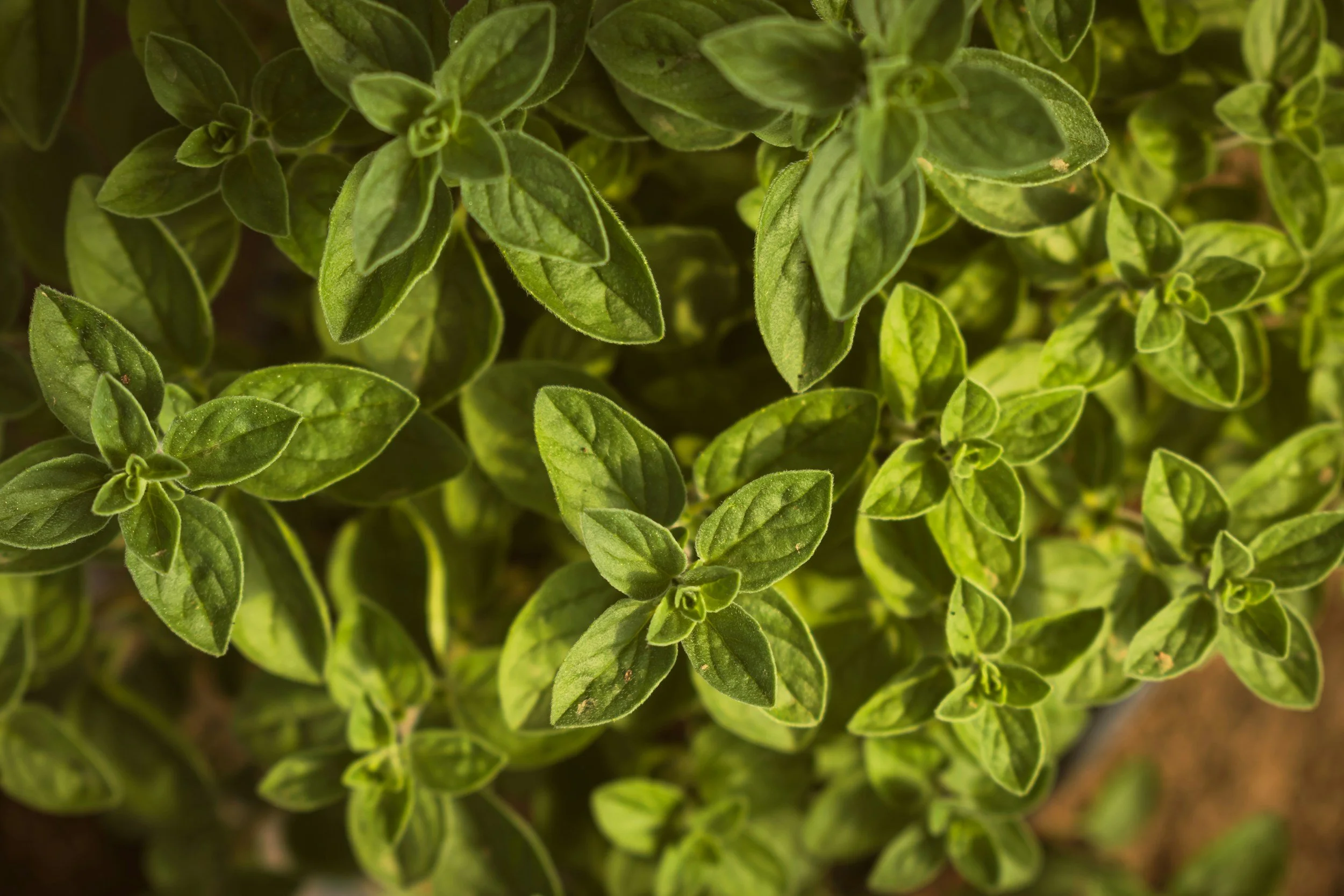
Botanical Description: woody, bushy herb that's part of the mint family. It's known for its olive-green leaves and purple flowers.
Habitat: Open spaces such as hills or mountains
Parts Used: Leaves
Key Constituents: Volatile oil (carvacrol, thymol, bisabolene, caryophyllene, borneol, linalool), flavanoids, triterpenoids, vitamins A and C, tannins, resin, sterols
Herbal Actions: Anti-spasmodic, diaphoretic, expectorant, carminative, emmenagogue, anti-septic
Taste: pungent
Energetics: warm, diffusive
Some Ways to Work With This Plant:
Fever: Essential oils in oregano support in opening pores and promoting sweating to relieve fever. Make a hot tea with oregano to use it to relive fever.
Cold/Flu Virus: Contains carvacrol (strongest anti-viral), thymol, terpenine, and cyamine which are anti-virals. Making tea, tincture, or infusing oregano in olive oil can help pull these essential oils out and preserve them to support in oregano’s anti-viral benefits.
Cough/Bronchitis/Asthma: Can help with both wet or dry coughs. Because of its warming nature, I might use it more for wet coughs. Oregano contains flavonoids and phenolics that reduce inflammation which can help reduce inflammation caused by dry coughs. If using oregano for this reason, add moistening herb to your tea like marshmallow root or licorice root. For wet cough, oregano contains volatile oils that helps loosen mucus and phglem in the respiratory tract, making it easier to breathe. The loosening of phlegm also makes it easier to expectorate (or cough up) the phlegm so it can be supportive for conditions that cause excessive coughing without generative phlegm release.
Headaches: Apply Infused Oil topically to temples to relive tension headache. If using essential oil, dilute heavily in a carrier oil. Use essential oil for aromatherapy in a steam to alleviate headache. Do not consume essential oil.
Cuts/Wounds: oregano strong anti-microbial properties make it effective as a wound washing tea
Digestion: The essential oils in oregano support it in reliving muscles spasms, aiding in digestion. The warming nature of the plant also supports in warming up digestive system to better break down food.
Promote Menstruation: Oregano supports in increased blood flow to uterus and pelvic area, supporting in stimulating menstruation of there is delayed menses or stagnation.
Herbal Preparations:
Tea: Add 1-2 tbsp bruised or dried leaves to 1 cup of already boiled water. Steep for 5 mins.
Tincture/throat Spray: Fill jar with fresh oregano and cover with 80 proof alcohol. Place in cool, dark place for 4-6 weeks, shaking daily. Strain and use as a tincture or throat spray.
References:
Wood, M. The Earthwaise Herbal, Volum I. North Atlantic Books, 2008 .
written by khadija khansia
This information is provided for educational purposes and is not intended to diagnose, treat, cure, or prevent any disease. Use with caution and consult with a doctor or herbalist before consuming if you are pregnant or on other medications. Please do your own research before consuming to know if this medicine is right for your body.