Rue / Ruda
Ruta graveolens
Latin Name:Ruta graveolens
Common Name: Ruda, Common Rue, Herb-of-Grace
Family: Rutaceae
Contraindications: Use gloves when handling. Exposing skin to fresh rue leaves may cause rash, blistering of skin, and hyperpigmentation when exposed to sun. Ingestion of large amounts can cause stomach pain, vomiting, exhaustion, confusion, and convulsions. Potentially fatal. It is generally safe to use in small amounts and in a dried form. Do not take internally if you have existing kidney and liver issues. Do not take internally if pregnant and intending to keep pregnancy or if chest-feeding. If using to release pregnancy, do not do so alone. Failure to administer proper dosage can cause organ failure. Work with an herbalist who is trained on proper dosing of this powerful plant if using to release pregnancy. A note—while it does support in releasing pregnancy, there are better herbs that are more effective and safer to use. Do not use if you have kidney or liver problems. **To see how your medication may interact with this plant, check this database, consult with your local herbalist, and do your own research before working with any plants.
Native To: Balkan Peninsula (Serbia, Greece, Montenegro, Croatia, Turkey, Bulgaria, Albania, Romania, Moldova, Bosnia and Herzegovina, North Macedonia, Kosovo, Slovenia). Strong historical accounts of usage in Maya, Aztec, and Indigenous communities of north america.
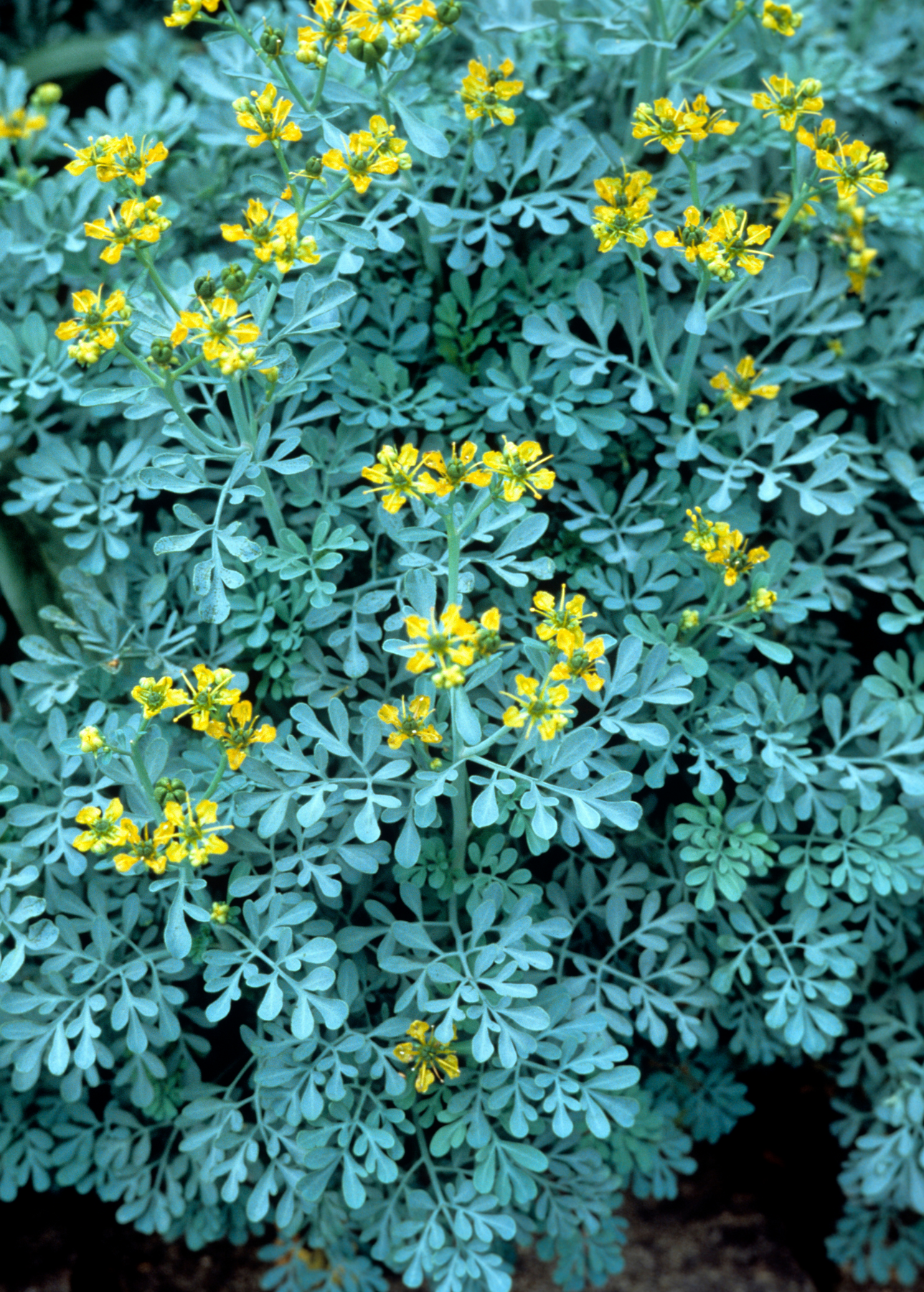
Botanical Description: Perennial (to this zone) subshrub that will grow 2-3 feet tall and wide. The stem is woody in the lower part, the leaves are alternate, bluish-green, bi- or tripinnate, emit a powerful aroma. The greenish-yellow flowers are in terminal panicles, blossoming from June to September. Leaves die back during northeast winter, but it is evergreen in areas with milder winters.
Habitat: Grows well in full sun to part shade, moderately fertile, moist, well-drained soil. It is a hardy plant that is deer resistant and tolerates drought and dry and rocky soil. Avoid wet soils and surround with mulch during the winter in northern zones. Prune back plants to old wood in early spring.
Parts Used: Leaves
Key Constituents:
Acridone Alkaloids (furacridone and gravacridone)
Quinoline Alkaloids (graveoline and graveolinine)
Furanoquinoline Dictamnine
Coumarins (gravelliferone, isorutarin, rutacultin, rutaretin, and suberenone)
Furanocoumarins 5-methoxypsoralen (bergapten)
8-methoxypsoralen (xanthotoxine)
Volatile oils (limonene and menthol)
Herbal Actions: Abortifacient, Anti-inflammatory, Anti-Spasmodic, Anti-Microbial, Anodyne, Emmenagogue, Wound-Healing
Taste: Bitte
Energetics: Hot, Dry
Some Ways To Work With This Plant:
Rue is an extremely powerful plant to take internally. For this reason, we only work with it spiritually. Traditionally, rue is grown in containers at the entrance of a home or it is dried an hung above doorways to provide protection to the home space.
It is also an herb that is used for psychic protection and is often hung over beds or worn in a pouch as an amulet around the neck.
Historically, rue has been used for limpias or spirtual baths/cleansings or burned in smudge stick to remove stagnant energy and to protect oneself against evil or negative spirits. Rue has also been used to enhance communication with spirit guides.
Used externally as a liniment, the acridone alkaloids in rue reduce inflammation and pain in tissues by inhibiting inflammatory mediators and supporting with tissue repair which make it supportive for rheumatism and muscular aches. These compounds also help relax smooth and skeletal muscles and improve blood circulation and reduce nerve excitability.
The menthol in rue helps provide a cooling, numbing sensation and enhances the skins ability to absorb other active compounds, making rue a perfect companion in a muscle ache formula. The limonene oil in rue also supports in bringing blood flow to the site that it is applied. Increased blood flow supports in decreasing inflammation.
References:
https://www.webmd.com/vitamins/ai/ingredientmono-885/rue
M. Grieve, A Modern Herbal: The Medicinal, Culinary, Cosmetic and Economic Properties, Cultivation and Folk-Lore of Herbs, Grasses, Fungi, Shrubs, & Trees With All Their Modern Scientific Uses. Darien, CT : Hafner, 1967
Class notes from Maya Blow’s Herbalism Course
written by khadija khansia
This information is provided for educational purposes and is not intended to diagnose, treat, cure, or prevent any disease. Use with caution and consult with a doctor or herbalist before consuming if you are pregnant or on other medications. Please do your own research before consuming to know if this medicine is right for your body.