Spearmint
Mentha spicata
Latin Name: Mentha spicata
Common Name: Garden Mint, Menthol Mint, Mint, Sage Of Bethlehem, Silver Mint
Family: Laminacaea
Contraindications: Do not take with sedative medication (CNS depressants); do not consume large amounts if you have liver or kidney issues; Stick to food amounts and not medicinal amounts of spearmint when pregnant or chest feeding. Spearmint decreases testosterone levels in body and may decrease efficacy of HRT. Do not use if you suffer from GERD (gastrointestinal reflux disease) or acid reflux.
Native To: Europe and Asia
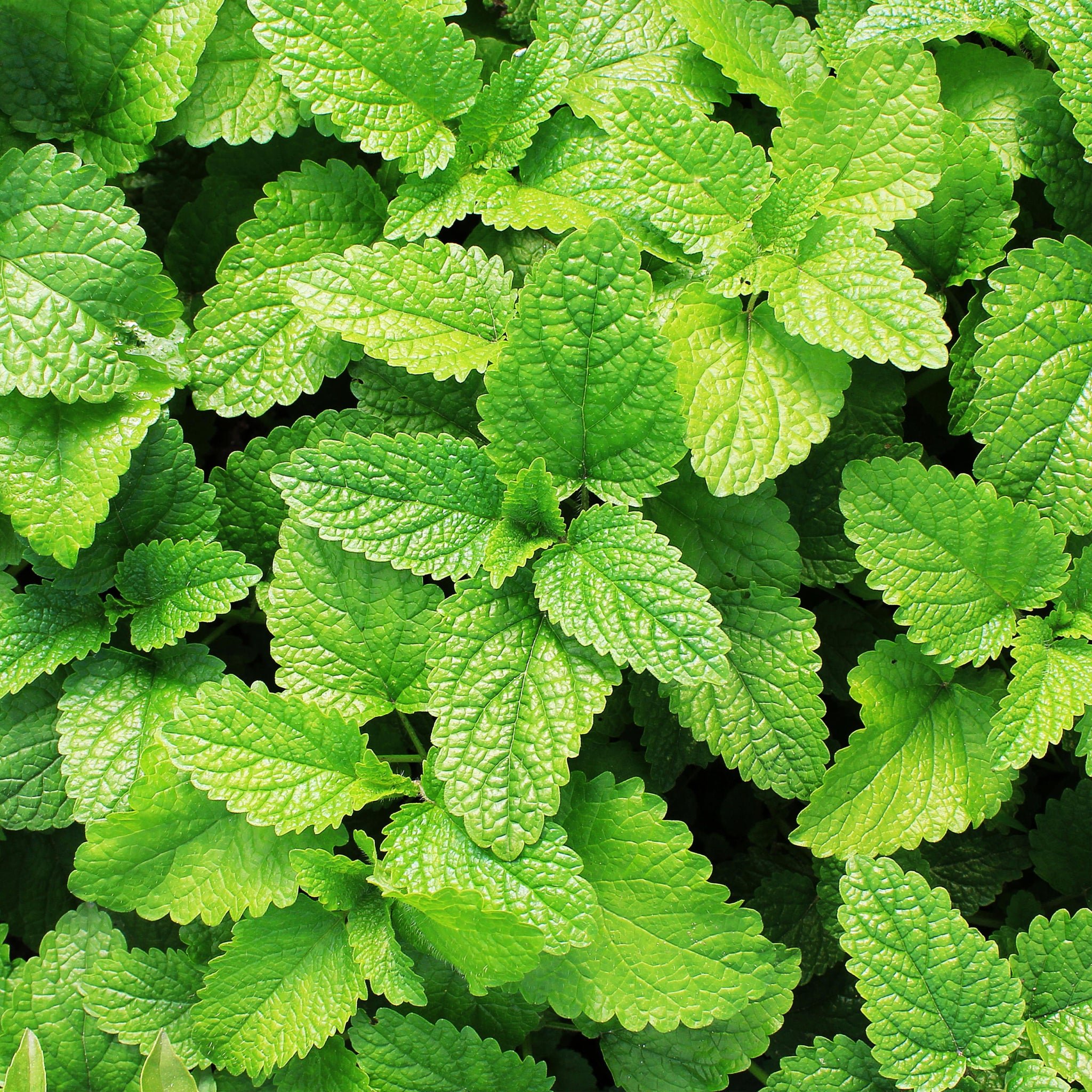
Botanical Description: Perrennial Aromatic herb with erect, square-shaped stems and narrow, oval-shaped leaves that have pointed tips and toothed edges. The leaves are arranged in opposite pairs and the small, pink, light purple or white flowers appear in spikes
Habitat: Found growing in moist fields and pond or lake margins
Parts Used: Leaves
Key Constituents: Volatile Oils, Terpenes, Terpenoids, Phenolic Compounds, Carvone
Herbal Actions: antiemetic, antiseptic, antispasmodic, carminative, diuretic, restorative, stimulant, stomachic, tonic
Taste: Sweet
Energetics: Cooling, moistening
Some Ways To Work With This Plant:
PCOS Support/Hormone Balancing — Spearmint has anti-androgenic effect and can significantly decrease testosterone levels and decrease symptoms caused by high androgens like hair loss, acne, and hirsutism. It also can lower other hormones like luteinizing hormone and follicle stimulating hormone. Drinking spearmint tea daily can bring on these benefits.
Improve Focus — Due to its high antioxidant content, spearmint tea has been shown to improve focus, memory, and cognitive functions.
Digestive Aid — Spearmint tea’s volatile oil content contributes to it’s ability to ease digestive discomfort like bloating, nausea, acidity, indigestion.
Antioxidant — Spearmint tea has a high antioxidant quality which brings down oxidative stress in the body and can curb inflammation.
Herbal Preparations:
Tea — Add 3 tbs dried leaf or handful fresh leaves to already boil 8oz water. Cover and let steep for 20 mins. Strain and drink hot or cold. Create a PCOS blend with herbs like nettles, raspberry leaf, chamomile, tulsi, hibiscus, fennel, peppermint, cinnamon, and/or lemon balm.
References:
El Menyiy N, Mrabti HN, El Omari N, Bakili AE, Bakrim S, Mekkaoui M, Balahbib A, Amiri-Ardekani E, Ullah R, Alqahtani AS, Shahat AA, Bouyahya A. Medicinal Uses, Phytochemistry, Pharmacology, and Toxicology of Mentha spicata. Evid Based Complement Alternat Med. 2022 Apr 12;2022:7990508. doi: 10.1155/2022/7990508. PMID: 35463088; PMCID: PMC9019422.
written by khadija khansia
This information is provided for educational purposes and is not intended to diagnose, treat, cure, or prevent any disease. Use with caution and consult with a doctor or herbalist before consuming if you are pregnant or on other medications. Please do your own research before consuming to know if this medicine is right for your body.