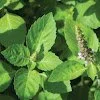
Broad Leaf Dock
Rumex obtusifolius
Latin Name: Rumex obtusifolius
Common Name: Broadleaf Dock, Bitter Dock, Butter Dock
Family: Polygonaceae
Contraindications: Avoid in cases of kidney disease or known sensitivity to oxalates. Large amounts can be toxic, leading to nausea, vomiting, and diarrhea. Use with caution during pregnancy and lactation. Check this database for potential interactions.
Native To: Europe and Asia; now widely naturalized in North America and other temperate regions around the world.
Botanical Description: Perennial herb with large, oblong to heart-shaped leaves that have wavy edges. The leaves are dark green, and the veins are prominent. The plant produces tall, slender spikes of greenish flowers that turn brown as they age, flowering from late spring through autumn.
Habitat: Often found in moist, disturbed soils such as riverbanks, roadsides, pastures, and gardens.
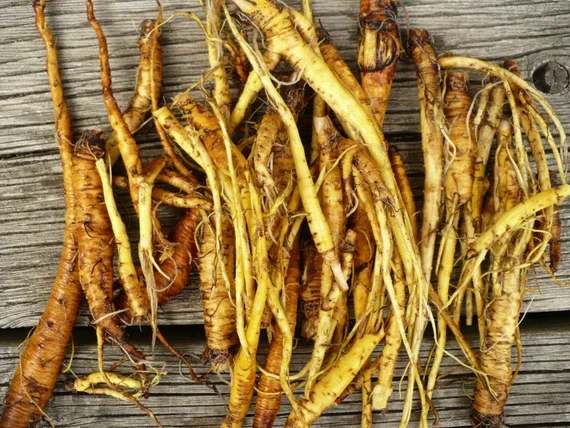
Parts Used: Root, Leaves
Key Constituents:
Anthraquinones (emodin, chrysophanol)
Tannins
Oxalates
Vitamin C
Iron
Herbal Actions: Alterative, anti-inflammatory, astringent, bitter tonic, depurative, mild laxative, nutritive
Taste: Bitter, slightly sour
Energetics: Cooling and drying
Some Ways to Work With This Plant:
Digestive Aid: Broadleaf Dock root contains anthraquinones, which help stimulate bile flow and support liver function. Its bitter compounds promote digestive secretions, making it useful for improving appetite and digestion. A decoction of the root may aid sluggish digestion and reduce bloating.
Mild Laxative: Due to its anthraquinone content, Broadleaf Dock root can act as a mild laxative. This property makes it effective for occasional constipation, though prolonged use should be avoided to prevent dependence. Pair with carminative herbs like fennel or ginger to ease potential cramping.
Skin and Blood Cleanser: The cooling, alterative properties make Broadleaf Dock beneficial for skin conditions related to blood stagnation, such as acne or eczema. Taken as a tea or decoction, it helps support liver and kidney function, promoting elimination and detoxification.
Nutritive: Rich in iron and Vitamin C, Broadleaf Dock has historically been used to support anemia and replenish nutrients. The young leaves can be cooked and eaten as a mineral-rich green.
Herbal Preparations:
Decoction: 1–2 tsp of dried root simmered in 10-12 oz of water for 10–15 minutes; strain before drinking. Best used as a bitter tonic or for sluggish digestion.
Tincture: 20–40 drops in a little water, taken 2–3 times a day for short periods (best for liver support and skin conditions).
Poultice: Fresh leaves can be applied to stings or bites to reduce inflammation and soothe the skin.
References:
Hoffman, David. Medical Herbalism: The Science and Practice of Herbal Medicine
Grieve, M. A Modern Herbal
written by khadija khansia
This information is provided for educational purposes and is not intended to diagnose, treat, cure, or prevent any disease. Use with caution and consult with a doctor or herbalist before consuming if you are pregnant or on other medications. Please do your own research before consuming to know if this medicine is right for your body.