Echinacea
Echinacea purpurea
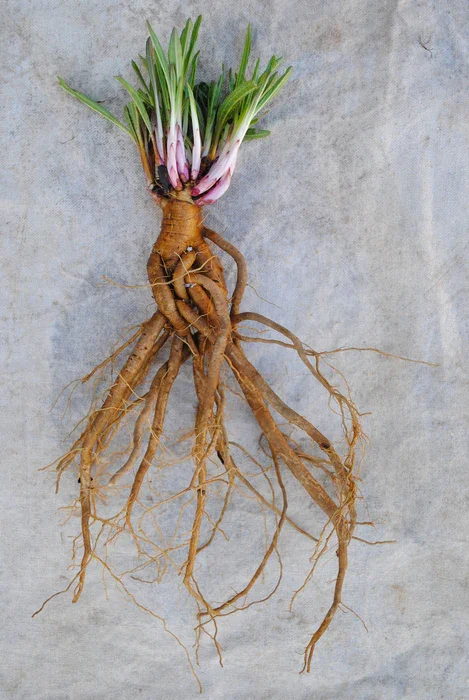
Latin Name: Echinacea purpurea
Common Name: Purple Coneflower, Snakeroot, Kansas Snakeroot, Black Sampson
Family: Asteraceae
Contraindications: Avoid in systemic autoimmune diseases unless under guidance; rare allergies in individuals sensitive to the Asteraceae family. Generally well-tolerated; potential for mild gastrointestinal upset.
Native To: Native primarily to the United States, it is found from Canada down to Texas, with a strong presence east of the Rocky Mountains.
Botanical Description: Echinacea is a perennial herb native to North America, particularly the Great Plains and the eastern United States. It grows 2–4 feet tall with daisy-like flowers that feature a prominent, spiky cone.
Habitat: thrives in the prairies and open woodlands of central and eastern North America, especially in the Great Plains. It prefers well-drained, rocky or sandy soils and can grow in both full sun and light shade.
Parts Used: Roots and Flowers
Key Constituents:
Caffeic acid derivatives (e.g., echinacoside, cichoric acid)
Alkylamides
Polysaccharides (e.g., inulin, arabinogalactan)
Polyacetylenes
Flavonoids
Volatile oils
Vitamins and minerals (chromium, iron, manganese, niacin, riboflavin, selenium, vitamin C)
Herbal Actions:
Alterative
Lymphagogue
Immune Modulator
Antimicrobial
Circulatory Stimulant
Analgesic
Inflammation Modulator
Vulnerary
Taste: Sweet, diffusive, bitter, pungent, cool, and slightly numbing
Energetics: cooling, drying
Some Ways To Work With This Plant:
Support Immune Function — Echinacea is well-known for its immune-modulating properties. It stimulates white blood cell activity, enhancing the body’s innate defenses against pathogens. Echinacea is particularly useful in preventing and addressing early signs of infection. For best results, take at the onset of symptoms to help the immune system respond quickly.
Detoxify the Blood and Lymph — Echinacea’s role as a powerful alterative makes it ideal for cleansing the blood and lymphatic system. It supports the elimination of metabolic waste by clearing stagnation in the lymph nodes, blood, and interstitial fluids. Regular use can aid in conditions of toxicity, such as lymphatic swelling, skin eruptions, and sluggish circulation.
Soothe Skin and Support Wound Healing — With its antimicrobial and vulnerary actions, Echinacea is effective for treating wounds, burns, abscesses, and skin infections. Its tissue-repairing properties support faster healing and reduce the risk of infection. Use topically as a wash or poultice for cuts, bites, and abrasions to speed recovery and reduce inflammation.
Reduce Inflammation and Support Joint Health — Echinacea’s inflammation-modulating properties make it beneficial for reducing pain and swelling in conditions such as arthritis, tendonitis, and connective tissue injuries. By inhibiting enzymes that break down connective tissue, Echinacea helps maintain cartilage integrity and alleviates pain associated with inflamed joints. Regular use can support joint flexibility and reduce symptoms of chronic inflammation.
Protect Against Poisonous Bites and Stings — Traditionally, Echinacea has been used to counteract the effects of venomous bites and stings, such as snake and spider bites. Its ability to inhibit enzymes that spread toxins helps limit tissue damage and infection. Use immediately after a bite for best results, applying both topically and internally to help neutralize venom.
Address Chronic and Septic Infections — Echinacea’s antimicrobial and immune-stimulating properties make it effective in combating stubborn infections that do not respond well to conventional treatments. It’s particularly useful for septic conditions, such as boils, abscesses, and blood poisoning. Echinacea stimulates lymphatic drainage and helps eliminate infection, reducing fever and supporting recovery.
Herbal Preparations:
Tincture: 2–5 mL, every 2–3 hours for acute infections.
Decoction (aka tea for roots) 1 tbs dried root per cup of water, simmer until half of the liquid has burned off and you are left with only half a cup of liquid. If using fresh root, use 2tbsp of root to 1 cup of water and simmer until half the liquid has burned off.
Syrup: For immune support. Follow the steps above on how to make a decoction. Strain the root and add equal parts of honey to the remaining liquid. Pour the syrup into a bottle, let it cool, and then cap the bottle and refrigerate for up to 2-3 weeks. Take 1tsp every 2-3 hrs at early onset of sickness or as preventative measure when entering high risk spaces.
Topical: Use as a wash or poultice for infected wounds and bites.
References:
Popham, Sajah. Materia Medica Monthly, Issue 16: Echinacea. The School of Evolutionary Herbalism, 2018.
Hoffmann, David. Medical Herbalism: The Science and Practice of Herbal Medicine. Healing Arts Press, 2003.
Wood, Matthew. The Earthwise Herbal: A Complete Guide to New World Medicinal Plants. North Atlantic Books, 2009.
Moore, Michael. Medicinal Plants of the Mountain West. Museum of New Mexico Press, 2003.
Brousseau, Marc, and Sandra C. Miller. "Enhancing Immunity with Echinacea." Biogerontology, vol. 6, no. 5, 2005, pp. 259–264.
Bone, Kerry. Principles and Practice of Phytotherapy: Modern Herbal Medicine. Churchill Livingstone, 2000.
Bauer, Rudolf. "Echinacea: Biological Effects and Active Principles." Immunology Letters, vol. 62, no. 2, 1998, pp. 85–92.
written by khadija khansia
This information is provided for educational purposes and is not intended to diagnose, treat, cure, or prevent any disease. Use with caution and consult with a doctor or herbalist before consuming if you are pregnant or on other medications. Please do your own research before consuming to know if this medicine is right for your body.