Elecampane
Inula helenium
Latin Name: Inula helenium
Common Name: Elfwort, Elfdock, Horseheal, Inula, Helenium, Scabwort, Tu Mu Xiang (Mandarin), Stickwurz (German
Family: Asteraceae
Contraindications: Large doses may cause gastrointestinal comfort, vomiting, diarrhea, symptoms of paralysis and allergic hypersensitivity. Contraindicated during pregnancy and chest-feeding. As with most flowers in this family containing sesquiterpenoid lactones, allergy contact dermatitis can occur to those that are sensitive.
Native To: Southeastern Europe, grows along roadsides, in pastures, fields in low fertile moist ground
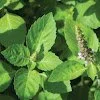
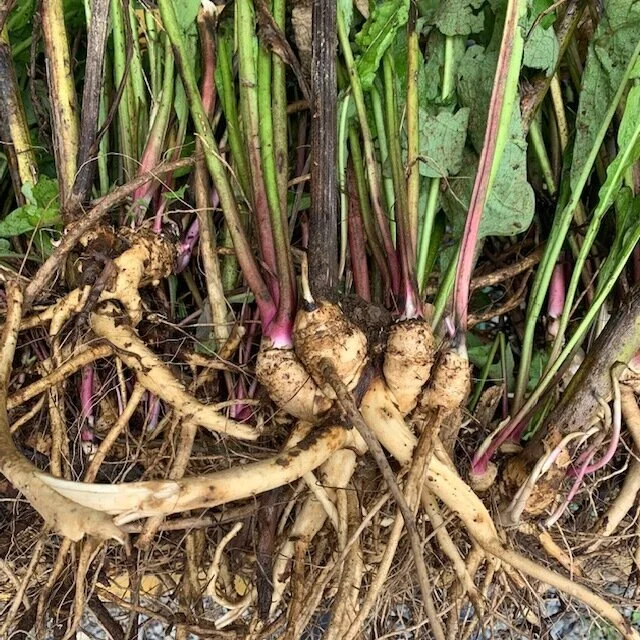
Botanical Description: Elecampane is a tall perennial herb reaching up to 5 feet. It has large, broad leaves with a rough texture, and vibrant yellow, daisy-like flowers that bloom in late summer. The root is thick, aromatic, and contains key medicinal compounds.
Habitat: grows well in temperate climates. It thrives in moist, well-drained soils and is commonly found in meadows, pastures, and roadsides across Europe, western Asia, and North America.
Parts Used: roots
Key Constituents:
Inulin, alantolactone, helenin, essential oils, mucilage, triterpenes.
Herbal Actions: Astringent, bitter, diaphoretic, expectorant, antiseptic, nutritive
Taste: bitter, pungent, sweet astringent
Energetics: warming, drying, stimulant
Some Ways To Work With This Plant:
Respiratory Health: Elecampane is a classic remedy for respiratory conditions, especially those marked by thick, stagnant mucus. Its warming and expectorant properties make it effective in chronic bronchitis, asthma, sinusitis, and even emphysema. It helps break down mucus, soothing and toning the lungs while promoting clearer breathing. Elecampane can also be useful for treating lingering respiratory infections that may lead to chronic conditions.
Digestive Support: Elecampane acts as a bitter tonic, stimulating appetite and aiding sluggish digestion. Its inulin content provides a prebiotic effect, nourishing the gut microbiome and supporting overall digestive health. This prebiotic action makes elecampane valuable for those recovering from antibiotic use or digestive imbalances. The warming bitterness of elecampane is particularly beneficial in cold, damp digestive patterns, where it helps relieve gas, bloating, and indigestion.
Antimicrobial and Antiseptic Properties: The root’s volatile oils, especially alantolactone, give elecampane strong antibacterial and antifungal effects. It has been shown to inhibit bacteria, including Staphylococcus, and is historically noted for its use in tuberculosis. Its antiseptic properties support healing from infections in the lungs, digestive tract, and urinary tract, making it useful for UTIs and other bacterial infections.
Urinary Health: Elecampane supports the urinary system by clearing dampness and helping to resolve infections or irritations in the urinary tract. It is especially effective in cases of chronic bladder issues, where it helps clear out lingering catarrhal discharge and tones lax tissues. Its use is especially valuable in cold, damp urinary conditions that may present with cloudy urine or sluggish elimination.
Herbal Preparations:
Tincture: Use 1:2 in 65-75% alcohol, 20–30 drops as needed.
Cold Infusion: To get the mucilaginous medicine from elecampane that supports in coating mucous membranes, you would want to do an infusion of cold water. Add 1 tsp of shredded root to 1 cup of cold water and steep for up to 10 hours. After the cold steep you can heat the tea to very hot and take it up to 3 times a day.
Decoction (aka tea for roots): To get digestive support from elecampane, make a decoction. This will extract inulin for prebiotic support. Use 1 tbs dried root per cup of water, simmer until half of the liquid has burned off and you are left with only half a cup of liquid. If using fresh root, use 2tbsp of root to 1 cup of water and simmer until half the liquid has burned off.
Syrup: For respiratory support. Follow the steps above on how to make a decoction. The aromatic essential oils in Elecampane is what makes it a good expectorant to cough up phlegm. Strain the root and add equal parts of honey to the remaining liquid. Pour the syrup into a bottle, let it cool, and then cap the bottle and refrigerate for up to 2-3 weeks. Take 1tsp every 2-3 hrs for acute symptoms and 1-2 tsp as preventative measure. Add horehound, thyme, and ginger for a wet cough syrup.
References:
Tilgner, Sharol. Herbal Medicine: from the Heart of the Earth. Wise Acres, 2009.
Hoffman, David. Medical Herbalism: The Science and Practice of Herbal Medicine. Healing Arts Press, 2003.
Ellingwood, Finley. American Materia Medica, Therapeutics, and Pharmacognosy. 1919.
Stojanović-Radić, Z., Čomić, L., Radulović, N., et al. "Antistaphylococcal Activity of Inula helenium L. Root Essential Oil: Eudesmane Sesquiterpene Lactones Induce Cell Membrane Damage." European Journal of Clinical Microbiology & Infectious Diseases, 2012.
Holmes, Peter. The Energetics of Western Herbs: Treatment Strategies Integrating Western and Oriental Herbal Medicine. Snow Lotus Press, 2006.
written by khadija khansia
This information is provided for educational purposes and is not intended to diagnose, treat, cure, or prevent any disease. Use with caution and consult with a doctor or herbalist before consuming if you are pregnant or on other medications. Please do your own research before consuming to know if this medicine is right for your body.