Stinging Nettles
Urtica dioica
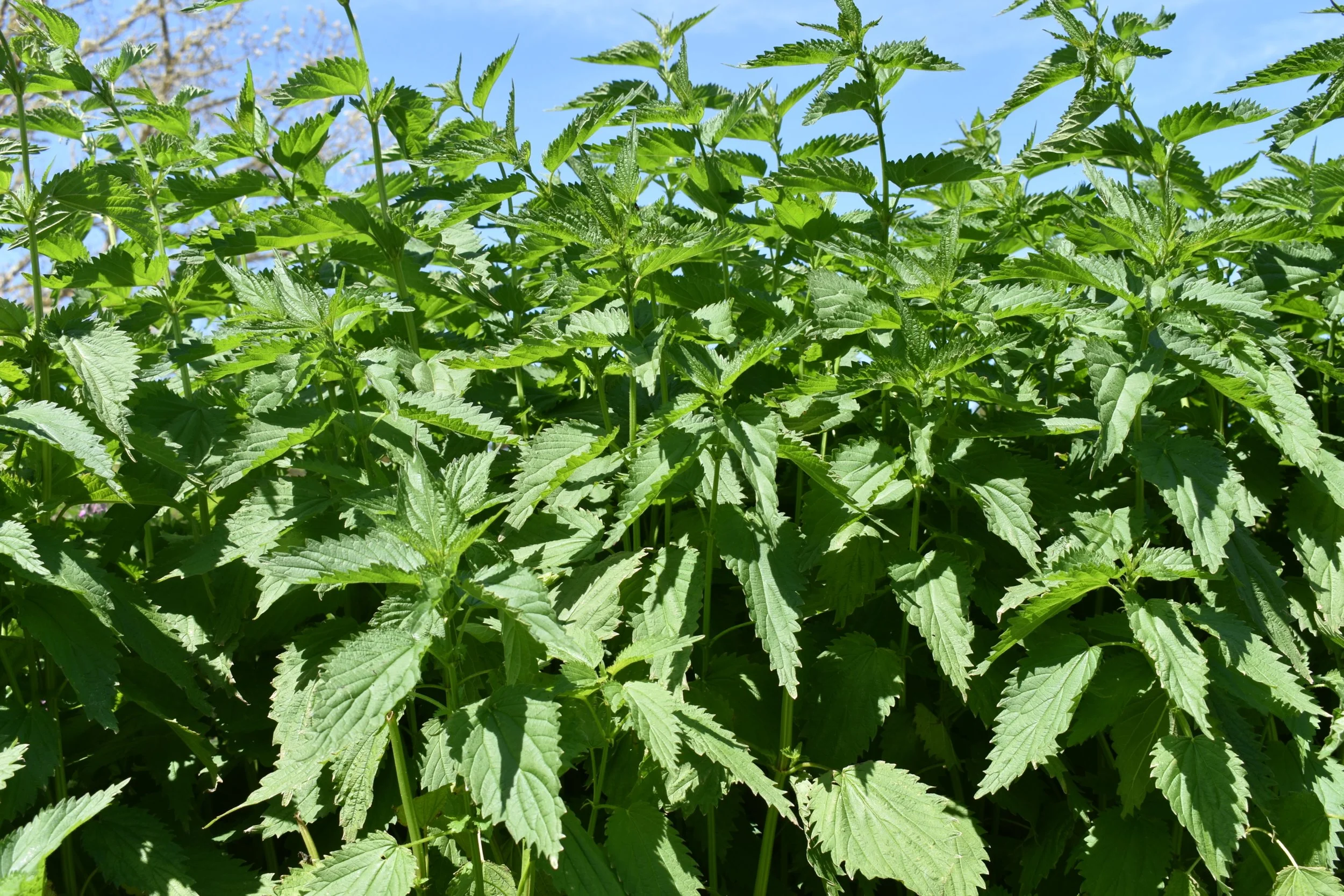
Latin Name: Urtica dioica
Common Name: In some parts of India, it is called bichu buti which means scoprion herb in Hindi. ****
Family: Urticaceae
Contraindications: Do not consume leaves after plant has gone to flower and produced seed. Due to nettle’s diuretic action, do not consume if you have severe kidney disease, have fluid retention due to congestive heart failures, or are on dialysis. Due to nettle’s blood building property, do not take if you are are taking anticoagulants.
Native To: North America, North Africa, Asia
Botanical Description: Perennial plant. Square, erect stems. Leaves serrated, pointed, dark green and covered. Stem and underside of leaves are covered in tiny hair-like stings. Flowers in racemes, till 10 cm. long. Generally unisexual; female ones in long hanging catkins; male ones in shorter inflorescence. Rhizomatic grower that grows in stands.
Habitat: Found near streams, springs, forest edges, gardens and parks. Like cool shade and moist grounds.
Parts Used: Leaves, flowers, seeds, roots
Key Constituents:
Leaves:
Flavonoids (flavonols, quercetin, isorhamnetin, kaempferol) >> reduces inflammation, irritation, and leaking in sinuses
minerals (iron, potassium, silicic acid, calcium) >> diuretic properties + nutritive properties for bones, muscles, connective tissues + blood building properties
coumarins (scopoletin)>>inflammation modulating, anti-spasmodic, anti-bacterial
phenolic acids (chlorogenic acid) >> inflammation modulating properties
phytosterols (beta-sitosterol) >> hormonal mechanisms
biogenic indole amines (histamine, acetylecholine, serotonin)>> rubefacient properties
chlorophylls >> nutritive
carotenoids >> nutritive
Roots:
Phytosterols (beta-sitosterol, beta-sitosterolin)>> hormonal mechanisms
coumarins (scopoletin), lignans
lectin
polysaccharides >> demulcent, moistening, softening, inflammation modulating, and immuno-modulating actions
triterpenes
minerals
ceramides
Herbal Actions: Diuretic, alterative, nutritive tonic, astringent, rubefacient, inflammation modulating
Taste: Salty, Sweet
Energetics: Drying, cooling
Some Ways To Work With This Plant:
Diuretic: Nettle supports the body in urinating not by activating the kidneys, but by pulling water out of the body at a cellular level. It is able to do this because of the high amount of potassium (and other salts and minerals) it contains. When we drink nettle tea, we increase the amount of potassium in our bodies. When there is more potassium outside of our cells than inside of our cells, the water in our cells gets drawn out of the cells, pulling water our of system at a cellular level. When we urinate we not only release water from our bodies but also salts and minerals. Even though nettles increases our urine output, it doesn’t deplete our salt and mineral content because the high amounts of salts and minerals in nettles replenishes our system.
Nutritive tonic: Nettles is one of the the most nutritious medicinal herb out there and it is great if you are burnt out, pale, weak, skip meals, anemic, or generally don’t get the vital nutrients you need to function from your normal diet. Nettles have high levels of iron, protein, chlorophyll, vitamin c, fiber, potassium, silica, and calcium. Nettle tea is a great tea to incorporate before, during, and after the menstrual cycle to support the body and increase iron during this energy intensive time. Drinking nettle tea daily is great for those looking to get back on track with their nutrition.
Spring Tonic + Blood builder: When our liver is unable to clear out metabolic waste at the appropriate rate, we experience of build up of waste in our system. This can result in skin conditions, inflammation, etc. By increasing the output of urine, nettles supports in removing metabolic waste that is backed up in the body. Chlorophyll has a structure similar to hemoglobin and can support in oxygenating blood cells. Iron + Vitamin C improve red blood cell production, which helps maintain blood quality and enhance detox via circulation. Lastly, nettles high nutrient content helps to build the blood back up by increasing its mineral content. Nettles also help tonify and tighten the walls of the arteries, veins, and connective tissues lining vessels.
Herbal Preparations:
Fill mason jar 1/4 way up with dried leaves and top with hot water. Cover jar with lid and let it infuse overnight to extract the most amount of salt, minerals, and other nutritive properties from the leaves. Drink throughout the day. If you have a dry constitution, consider adding a moistening herb like marshmallow root to balance the drying effect of nettles.
Add fresh leaves to mason jar and top with Apple Cider Vinegar. The vinegar does an excellent job of drawing out minerals from herbs. Use as salad dressing, add to broths, or eat the vinegary leaves straight.
Make pesto with it! Add it to your soups/broths or smoothies. Use it the way you would spinach and make saag with it! Just remember to blend it if you are eating it raw to break down the stings.
Tincture fresh plant material in 50-60% alcohol. Combine with equal parts dandelion root tincture for a detoxification formula that supports the liver, gallbladder, portal circulation, digestion, blood, and kidneys.
References:
written by khadija khansia
This information is provided for educational purposes and is not intended to diagnose, treat, cure, or prevent any disease. Use with caution and consult with a doctor or herbalist before consuming if you are pregnant or on other medications. Please do your own research before consuming to know if this medicine is right for your body.