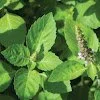
Valerian
Valeriana officinalis
Latin Name: Valeriana officinalis
Common Name: Garden Heliotrope, All-Heal
Family: Caprifoliaceae
Contraindications: Avoid in pregnancy and in individuals with excessive heat patterns (such as red skin or irritability). Valerian may interfere with iron absorption and should not be used long-term in high doses, as it may cause morning grogginess.
Native To: native to Europe and parts of western Asia but has since naturalized in North America, particularly in cooler regions
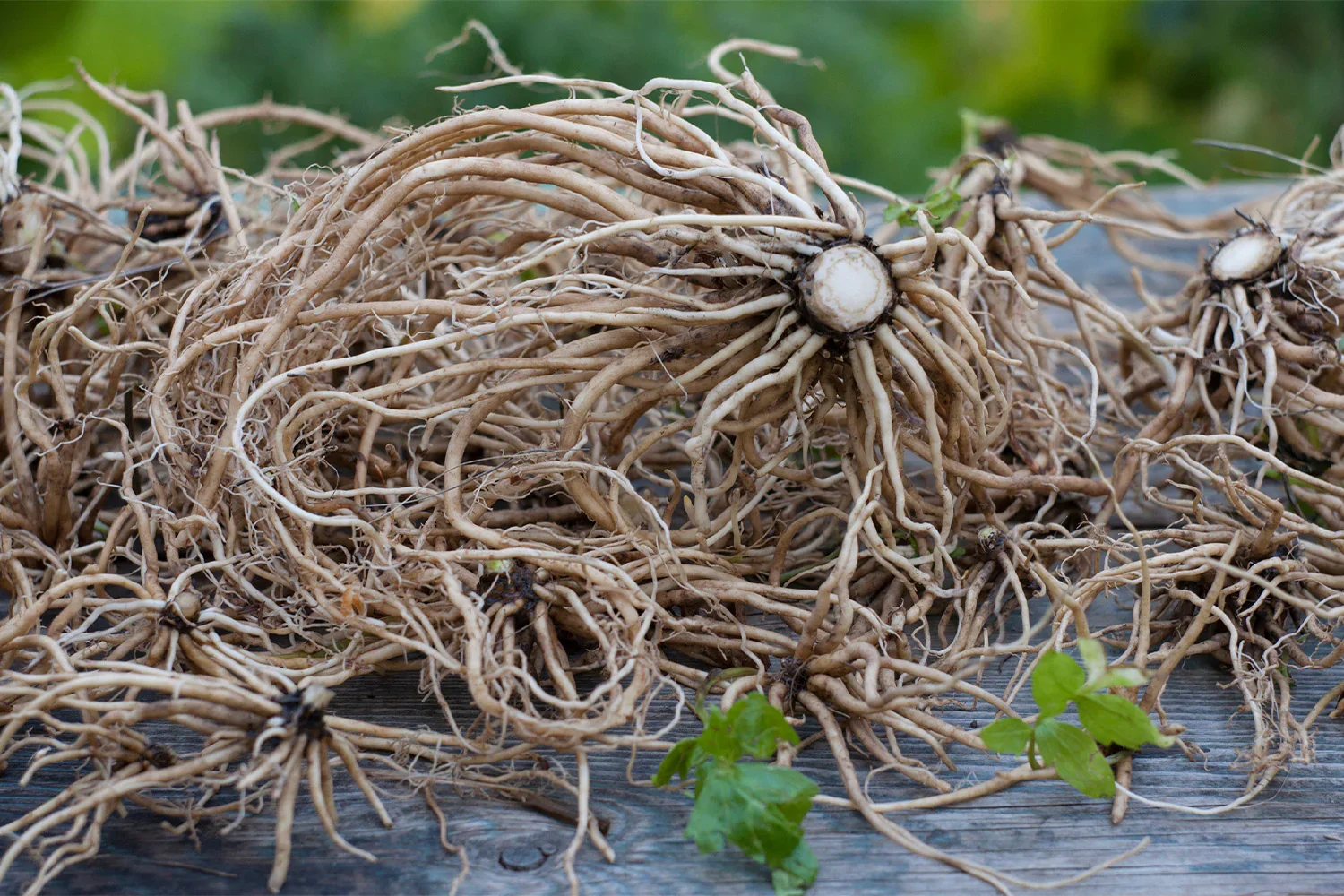
Botanical Description: Valerian is a tall, herbaceous perennial that can reach up to 5 feet in height. It has feathery, divided leaves with toothed edges, and clusters of small, pale pink or white flowers that bloom in summer. The roots are thick, aromatic, and somewhat fibrous, and are the primary medicinal part of the plant.
Habitat: Valerian grows in damp, fertile soils and is commonly found along riverbanks, in meadows, and woodland edges. It prefers full sun to partial shade and flourishes in well-drained soils.
Parts Used: roots
Key Constituents: Valerenic acid, valepotriates, isovaleric acid, volatile oils, iridoid glycosides
Herbal Actions: nervine, hypnotic, antispasmodic, carminative, analgesic/anodyne
Taste: Acrid, bitter, pungent, slightly sweet
Energetics: Warming, drying, relaxing
Some Ways To Work With This Plant:
Nervous System Disorders: Valerian is well-known for its sedative and calming effects, making it highly effective for insomnia, anxiety, and nervous tension. It is often used for individuals who struggle to fall asleep due to restlessness or stress. Research has shown it may be comparable in effectiveness to certain pharmaceuticals for anxiety, such as diazepam, but with a more favorable safety profile. It may also benefit epilepsy and menopausal nervousness due to its relaxing effects on the nervous system
Musculoskeletal Pain and Spasms: Valerian’s antispasmodic properties make it a valuable remedy for muscle pain and tension, particularly in menstrual cramps, digestive cramps, and tension headaches. It is also used for conditions like sciatica and lumbago, where muscle relaxation is beneficial. When combined with other spasmolytic herbs, it can help manage severe cramps and spasms
Digestive Upset: Valerian’s carminative properties support digestive health, especially in cases where digestive discomfort is related to nervousness or stress. It relaxes the smooth muscles of the digestive tract, reducing gas, bloating, and cramping. Its warm, aromatic nature helps stimulate gastrointestinal secretions, supporting digestion
Stress-Related Cardiovascular Conditions: Valerian’s ability to relax blood vessels and ease muscle tension in the circulatory system makes it helpful for stress-induced hypertension and nervous heart palpitations. It opens peripheral circulation, which helps improve blood flow to extremities, relieving cold hands and feet in those with circulatory tension
Herbal Preparations:
Tincture: Fresh root 1:2 in 70% alcohol, 30–90 drops up to 3 times daily.
Decoction (aka tea for roots): 1 tbs dried root per cup of water, simmer until half of the liquid has burned off and you are left with only half a cup of liquid. If using fresh root, use 2tbsp of root to 1 cup of water and simmer until half the liquid has burned off.
Sleepy time syrup: Follow the steps above on how to make a decoction. Strain the root and add equal parts of honey to the remaining liquid. Pour the syrup into a bottle, let it cool, and then cap the bottle and refrigerate for up to 2-3 weeks. Take 1tsp when needed. You can also add lemon balm tea and chamomile tea to the valerian tea and then add equal parts of honey to add more calming medicine to your syrup.
References:
Leuschner, J., Muller, J., & Rudmann, M. (1993). "The Effect of Valerian Extract on Daytime Sleepiness in Patients Suffering from Insomnia." Journal of Clinical Pharmacology, 33(6), 655–660.
Grieve, M. A Modern Herbal. Penguin, 1984.
Hoffman, D. Medical Herbalism: The Science and Practice of Herbal Medicine. Healing Arts Press, 2003.
Ellingwood, F. American Materia Medica, Therapeutics and Pharmacognosy. Southwest School of Botanical Medicine, 1919.
written by khadija khansia
This information is provided for educational purposes and is not intended to diagnose, treat, cure, or prevent any disease. Use with caution and consult with a doctor or herbalist before consuming if you are pregnant or on other medications. Please do your own research before consuming to know if this medicine is right for your body.